Shaved Beef Steak Recipes: The Garlic Butter Skillet Method
Shaved beef steak cooks in under three minutes. Skip the soggy marinades and use a hot cast iron skillet and garlic butter for crispy, tender steak ribbons.
The 10-minute garlic butter method
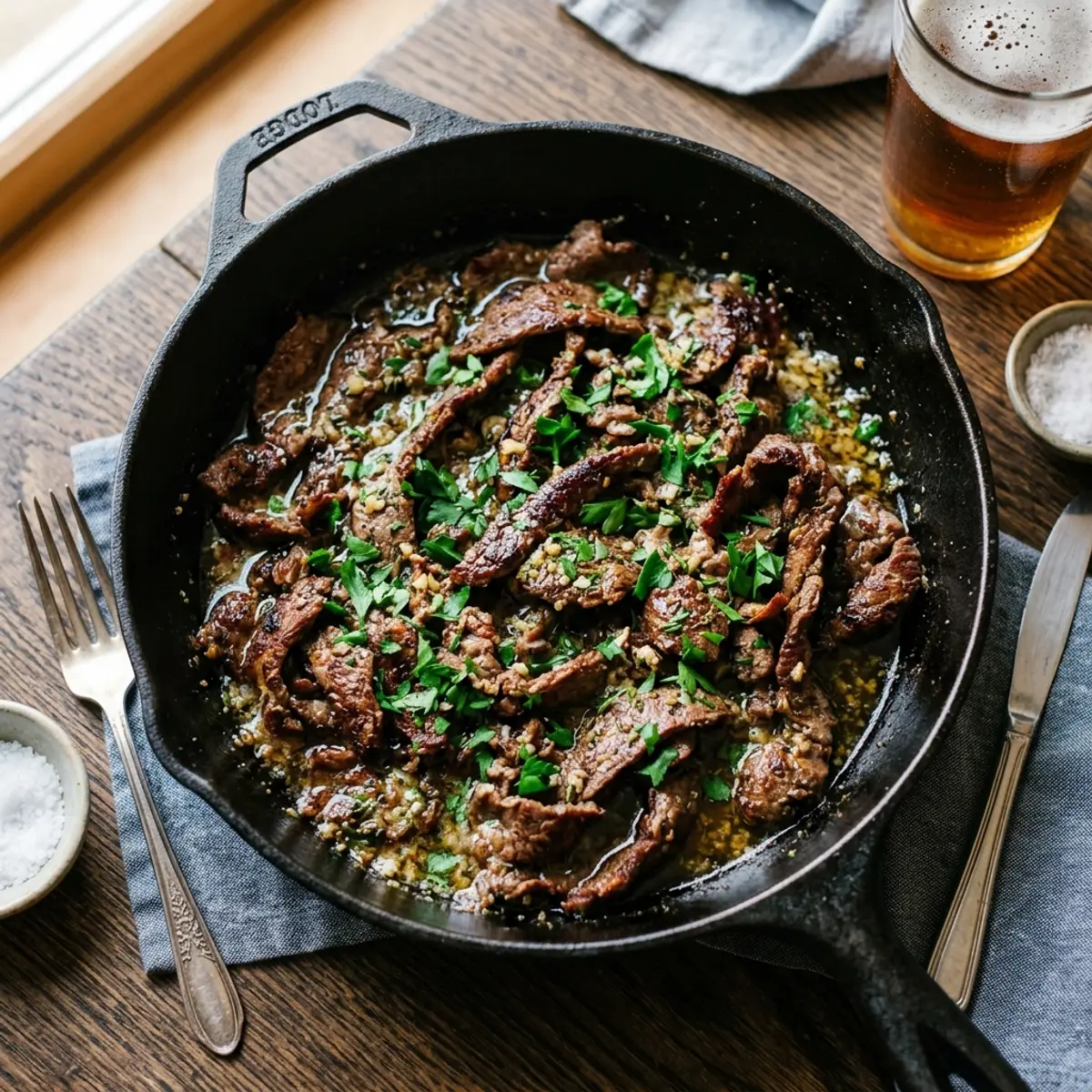
Cooking shaved beef steak is about speed and temperature. The meat is sliced so thin that it cooks through in under 3 minutes. If you cook it slowly over low heat, the steak will release its juices and boil in its own liquid. Steamed beef turns grey, dry, and rubbery. To get crispy, caramelized edges and tender ribbons of meat, you must use a dry, screaming-hot pan and cook in small batches.
This shaved beef steak recipes method finishes the beef with a rich garlic butter. You do not need a complicated marinade that adds moisture to the pan. Searing the seasoned meat first builds a deep crust. Tossing in minced garlic, unsalted butter, and fresh herbs during the last 30 seconds of cooking coats the beef ribbons without steaming them. This technique preserves the juices inside the meat while adding rich flavor.
If you want to use this meat for sandwiches, it works perfectly piled onto toasted hoagie rolls, similar to our classic shaved beef recipe. If you prefer a simpler prep without the garlic butter finish, check out the shaved steak skillet guide. The key remains the same: high heat and batches.
Why cast iron is mandatory for shaved beef steak
To sear shaved beef steak properly, you need a pan that retains heat. When you drop cold meat into a hot pan, the pan temperature drops instantly. Thin stainless steel or non-stick pans lose their heat too quickly. The meat begins to release moisture, the pan temperature drops further, and the steak ends up steaming rather than searing. Cast iron pans are thick and heavy, meaning they hold onto their thermal energy even when loaded with meat.
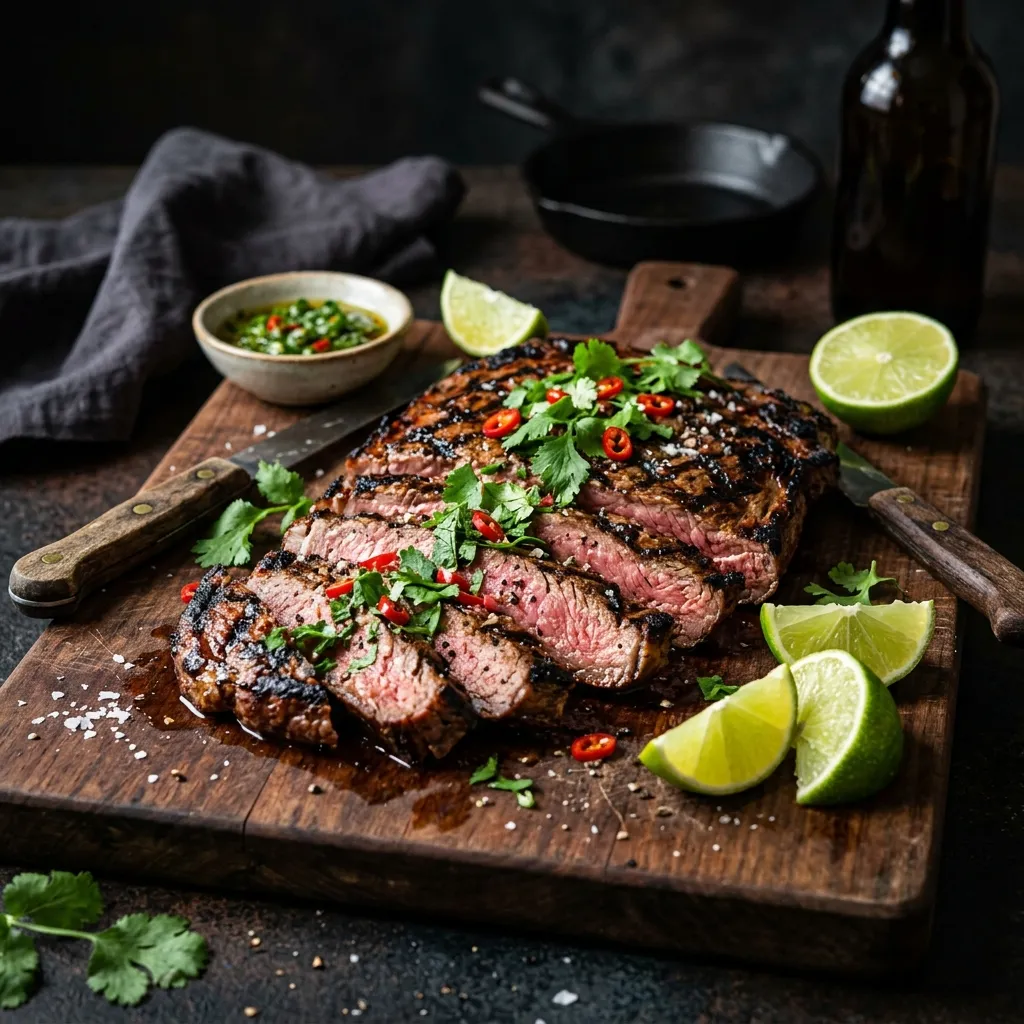
My first tomahawk steak was cooked on a cheap, thin stainless steel pan from a discount store. The steak did not sear — it steamed, resulting in $70 worth of grey, sad meat. The next day I bought a cast iron skillet for $30 and have not used anything else for searing since. The steak does not care about brand names, but it does care about heat retention. A 12-inch cast iron skillet costs $25-$40, lasts decades, and is the single most reliable tool for high-heat cooking.
Before the meat hits the skillet, preheat your cast iron pan on high for exactly 5 minutes. It should be smoking slightly. Pat the shaved steak completely dry with paper towels. Moisture on the surface of the meat is the enemy of a good crust because it must evaporate before browning can begin. For a deeper look at high-heat searing science, refer to our reverse sear guide.
Selecting the right cut of beef
You can purchase pre-shaved beef steak at the supermarket, or you can shave the meat yourself at home. Shaving your own meat allows you to control the thickness and quality of the cut. Look for steaks with good marbling, as the fat melts during cooking to keep the thin ribbons tender.
- Ribeye: The best choice for shaved steak. It is highly marbled with fat, making it rich and naturally tender. It is the traditional choice for classic cheesesteaks. A whole ribeye is a splurge, but 1 pound goes a long way when sliced thin.
- Sirloin: A lean, budget-friendly option. Sirloin has a clean, beefy flavor. It is leaner than ribeye, so you must slice it paper-thin and cook it quickly to prevent it from turning tough. Sirloin averages $8-$10 per pound at most grocery counters.
- Beef Round: A very lean cut that is often used for roast beef. It is cheap but can be chewy if sliced too thick or overcooked. Only use round if you can slice it paper-thin against the grain.
If you choose to shave the steak at home, place the meat on a baking sheet and freeze it for exactly 30-45 minutes before slicing. Slicing raw steak at room temperature is difficult because the meat slides under the knife. Partially freezing firms the muscle fibers, allowing you to shave off thin ribbons with a sharp chef knife.
The salt rule: why kosher salt matters
Kosher salt is the only salt that belongs in a recipe. Table salt, sea salt, and kosher salt all measure differently by volume. A tablespoon of salt means nothing unless you specify the type. Kosher salt, specifically Diamond Crystal, has large, light flakes that make it easy to pinch and distribute evenly over meat. A 3 lb box costs $4-$5 and lasts for months.
One tablespoon of Diamond Crystal kosher salt equals roughly 1.5 teaspoons of table salt. If you substitute table salt at a 1:1 ratio in a recipe, you will double the salt content and make the food inedible. Always check the brand of salt you are using before seasoning thin meat, as there is no way to wash excess salt out of thin shaved steak ribbons. For a detailed breakdown of brining ratios and salt science, see our chicken brine guide.
Sourcing and safe preparation
When buying raw beef, look for meat that has a bright cherry-red color and is cold to the touch. Avoid packages with excess liquid at the bottom, which suggests the meat has been sitting in its own juices for too long. If you slice the meat yourself, sanitize your cutting board and knife immediately after prep to avoid cross-contamination.
For food safety information, consult the USDA Beef Sourcing and Safety Guidelines. The USDA recommends keeping raw beef refrigerated at 40°F (4°C) or below and cooking ground beef to 160°F (71°C). For whole cuts, they suggest an internal temperature of 145°F (63°C) followed by a rest. However, for thin shaved steak, we pull the meat from the heat as soon as the pinkness disappears, which happens in under 3 minutes.
To learn more about how different temperatures affect the proteins in beef, the Serious Eats Food Lab Steak Guide offers a detailed scientific breakdown of heat transfer and meat structure.
Leftover ideas and steak and pasta pairings
Leftover shaved beef steak is highly versatile. It stores well in an airtight container in the refrigerator for up to 3 days. To reheat, toss it quickly in a hot skillet for 1 minute with a tablespoon of water or broth. Avoid the microwave, which heats unevenly and will dry out the thin ribbons.
Here are three ways to use leftover shaved steak:
- Steak Quesadillas: Layer the cold beef with shredded cheese between two flour tortillas. Cook in a dry skillet until the cheese is melted and the tortilla is crispy. For the full method, check our steak quesadilla recipe.
- Steak and Pasta: Toss the warm steak ribbons with fettuccine, heavy cream, garlic, and parmesan cheese for a fast steak and pasta dish. The rich garlic butter on the steak merges perfectly with cream sauces.
- Cheesesteak Bowls: Serve the beef over cauliflower rice or white rice, topped with sautéed peppers, onions, and melted provolone cheese.
A quick note on who this is for
If you want a private chef to design a twelve-course tasting menu or curate wine pairings for a corporate gala, do not hire me. I cook meals for a family table. My focus is on practical, high-heat techniques that get dinner done in 25 minutes. If you want chef coats and tweezers, look elsewhere.
For the step-by-step measurements and direct directions to print out and keep by the stove, read the companion recipe: Garlic Butter Shaved Beef Steak Skillet.
Frequently Asked Questions
What is the difference between shaved beef and shaved steak?
Shaved beef is a general term for any cut of beef sliced paper-thin. Shaved steak specifically refers to thin slices cut from steak portions like ribeye, sirloin, or flank steak. Steak cuts contain more marbling and tenderness than general beef cuts.
Can I cook shaved beef steak in a non-stick pan?
You can, but it is not recommended. Non-stick pans do not hold heat as well as cast iron. When you add the meat, the pan cools down, causing the steak to steam and turn grey instead of developing a brown sear.
Do I need to marinate shaved steak?
No. Searing the meat dry and finishing it with garlic butter right in the skillet yields better flavor and texture. Marinades add excess moisture that causes the meat to boil in the pan.
How do I slice beef paper-thin at home?
Place the cut of beef in the freezer for 30 to 45 minutes until firm but not frozen solid. Use a sharp chef knife to shave off thin ribbons against the grain.