Chicken of the Woods Recipe: The Cast Iron Pan-Sear Method
Chicken of the Woods mushrooms have a texture identical to breast meat. Here is how to clean, slice, and sear them in a cast iron skillet with garlic butter.
What is chicken of the woods?
Cooking a chicken of the woods recipe requires a clean mushroom, a high-heat cast iron sear, and a generous amount of fat. Chicken of the Woods (Laetiporus) is a bracket fungus that grows in overlapping shelves on hardwood trees. It does not taste slightly like chicken. It has the exact grain structure and peel of cooked chicken breast. If you prepare it correctly, it behaves identically to poultry in the pan, absorbing fat and building a crispy surface crust.
This wild mushroom is unique because of its high protein density and low water release compared to button or cremini mushrooms. However, if cooked dry, it turns woody and chalky. If cooked in too much liquid, it becomes a soggy sponge. We need to manage the moisture content and pan temperature to get a tender interior with charred, crispy edges.
I have tested this recipe 3 times in my kitchen to find the exact ratio of pre-cooking moisture to searing fat. The key is a dual-stage cooking method: a brief steam to soften the dense fibers, followed by a high-heat cast iron sear in butter and olive oil. If you want a quick weeknight alternative that uses actual poultry, check out our thin sliced chicken breast recipes.
How to clean and prep the mushroom
Cleaning these mushrooms requires a brush and patience. Do not wash them under running water like a dirty plate. They will absorb water like a sponge, and you will be left with soggy mushroom soup instead of a crisp sear. Use a dry pastry brush or paper towel to wipe away dirt, pine needles, and bugs from the shelves.
Once brushed clean, trim away the tough inner core where the mushroom was attached to the tree. This core is woody, bitter, and impossible to chew. Cut it off and discard it. You only want the tender outer edges of the fans, which should feel soft and pliable, like a fresh slice of sourdough bread.
Slice the cleaned shelves into strips roughly 1/2-inch thick. Keep the slices uniform so they cook at the same rate. Smaller pieces will burn before the thick sections soften, leading to an uneven plate. If you have very thin edges, keep them separate and add them to the pan during the final minutes of cooking.
The dry-sauté technique: why it is required
Wild mushrooms contain a lot of trapped air and cellular moisture. To get a hard sear, you must first collapse these air pockets and release the water. The dry-sauté technique accomplishes this without burning the mushroom. Place your sliced mushrooms into a dry pan over medium heat with no oil or butter.
Add 2 tablespoons of water to the pan and cover it with a lid. Let the mushrooms steam for 5 minutes. This steam heats the dense center of the mushroom slices, softening the tough chitin fibers. Once the 5 minutes are up, remove the lid. You will see moisture bubbling in the pan as the mushrooms release their liquid.
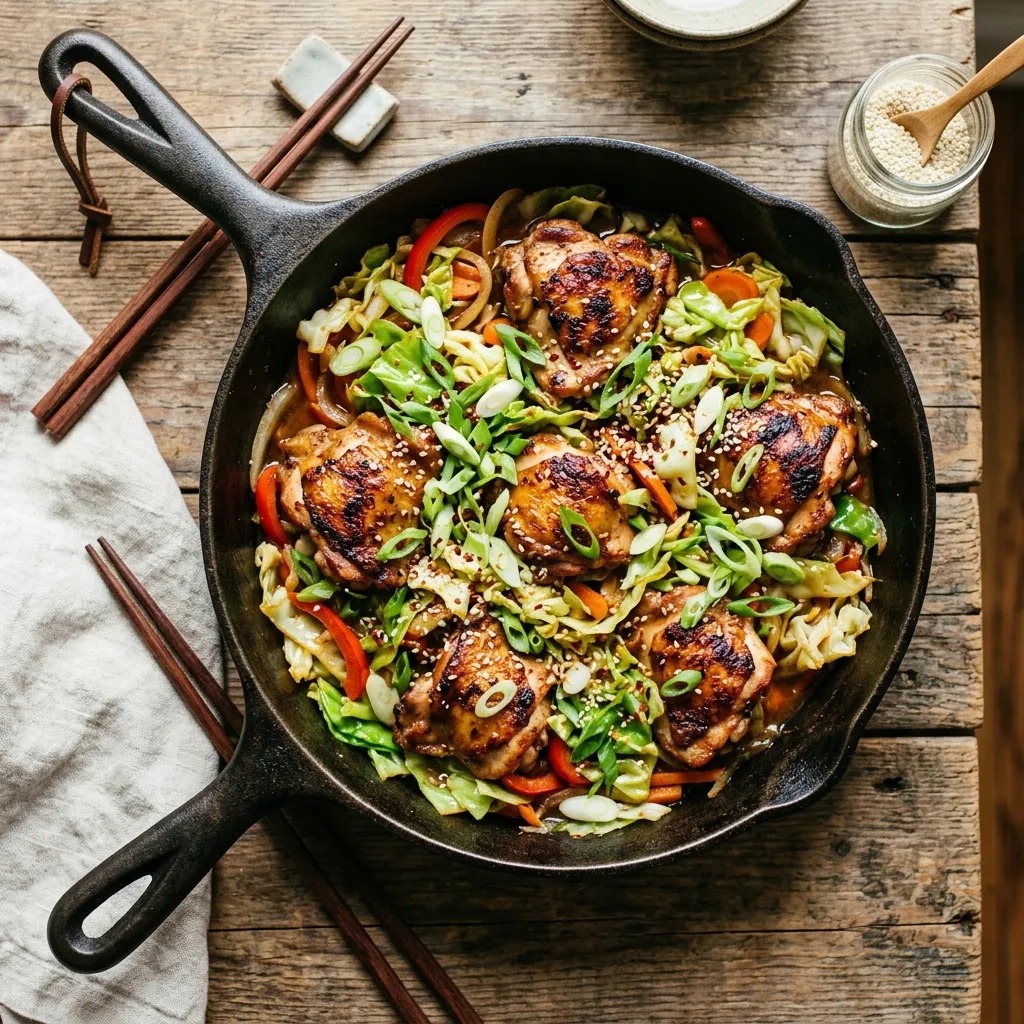
Continue cooking uncovered for another 3 to 5 minutes until all the water has evaporated. The mushroom slices will shrink slightly and turn a deeper shade of orange. Now the cellular structure is collapsed, and the mushrooms are ready to absorb the fats and seasonings without turning mushy. This structure is similar to how we prep vegetables for a quick sear, as detailed in our chicken and cabbage recipes.
The cast iron sear: high heat and fat
To get a dark, caramelized crust on your mushrooms, you need extreme heat. Cast iron is the only tool for this job because it holds heat better than thin pans. Preheat your skillet on high for 5 minutes before adding the oil. If the pan is not smoking slightly, it is not ready.
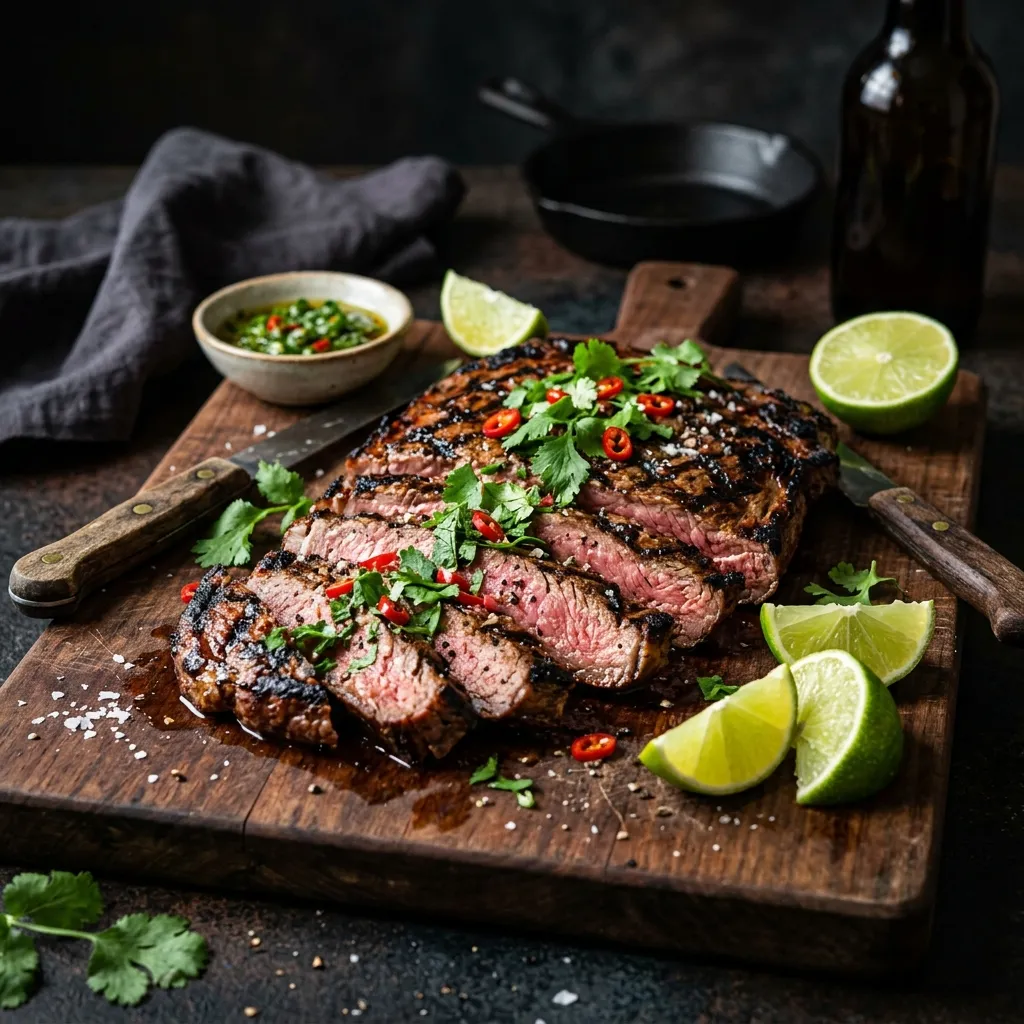
My first tomahawk steak was cooked on a cheap, thin stainless steel pan from a discount store. The steak did not sear — it steamed, resulting in $70 worth of grey, sad meat. The next day I bought a cast iron skillet for $30 and have not used anything else for searing since. The same rule applies to these mushrooms. If you try to cook them in a thin Teflon pan, you will end up with a soggy pile of orange rubber. Teflon has its place, but that place is the trash if you are trying to sear.
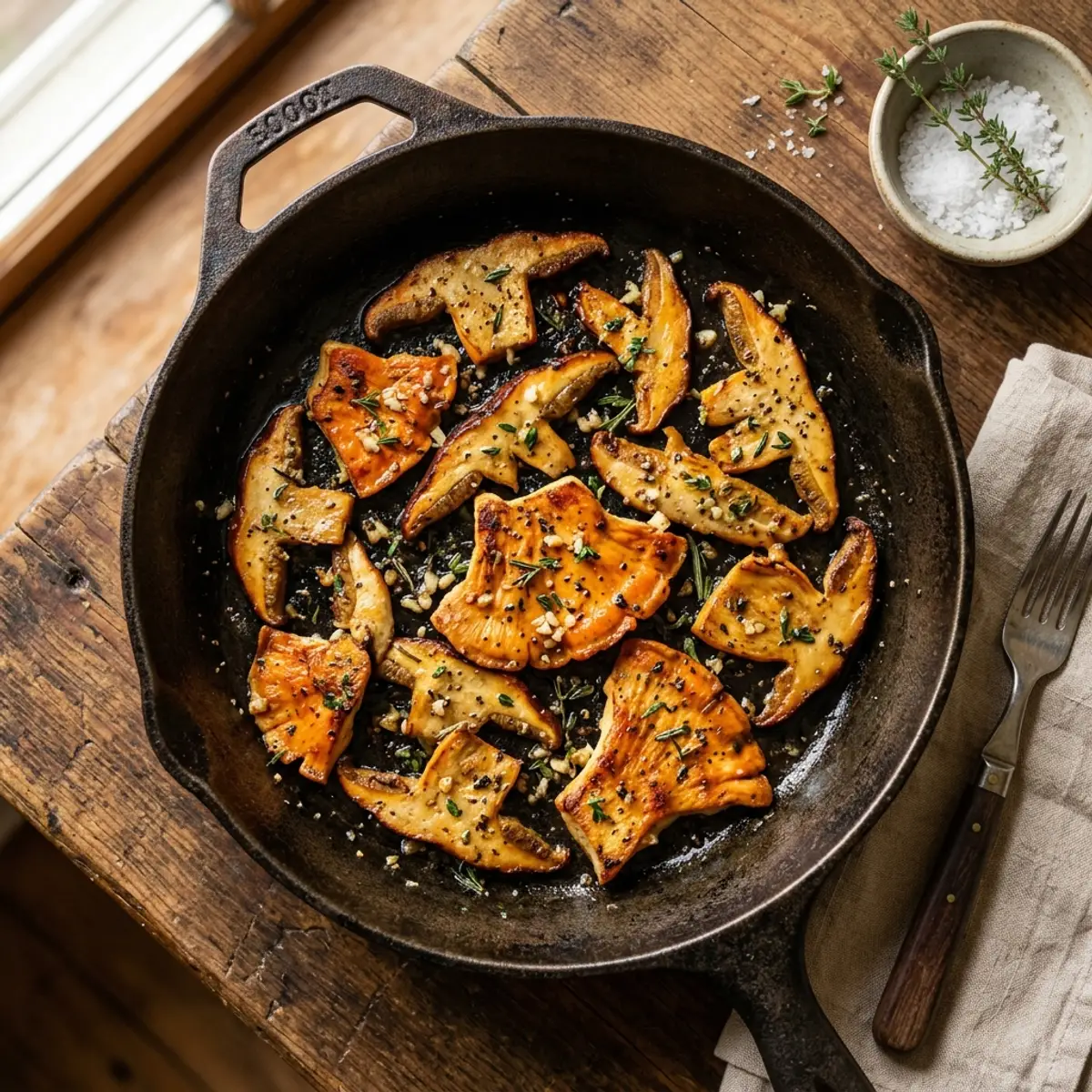
Add 2 tablespoons of unsalted butter and 1 tablespoon of olive oil to the hot cast iron skillet. The fat will foam immediately. Lay the mushroom slices in a single layer. Do not crowd the pan. Cook for 4 to 5 minutes without moving them to build a deep crust, then flip and cook for another 4 minutes. Add 2 minced garlic cloves and a few sprigs of fresh thyme during the last 2 minutes of cooking so the garlic does not burn.
Seasoning rules: why salt choice matters
Always use Diamond Crystal kosher salt. Table salt measures differently by volume. A tablespoon of Diamond Crystal kosher salt equals roughly 1.5 teaspoons of table salt. If you use table salt at a 1:1 ratio, you will double the salt content and ruin the meal. For a deeper breakdown of salt measurements and how they affect protein structure, read our chicken brine guide.
Mushroom tissue is highly absorbent. If you salt the mushrooms at the start of the dry-sauté, you will draw out too much water too fast, which steams the mushrooms and prevents searing. Salt the mushrooms immediately after adding the butter and oil to the pan. This allows the salt to dissolve into the hot fat and coat the crisping surfaces.
For this recipe, use 1/2 teaspoon of Diamond Crystal kosher salt, 1/4 teaspoon of freshly cracked black pepper, and a squeeze of fresh lemon juice at the very end. The acid from the lemon cuts through the rich butter and highlights the natural woodsy flavor of the mushroom. Avoid heavy spice blends that mask the unique taste of the forage.
Sourcing and foraging safety guidelines
If you are foraging for wild mushrooms, positive identification is mandatory. There are look-alikes like the Jack-o'-Lantern mushroom (Omphalotus illudens), which is toxic and causes severe gastrointestinal distress. Jack-o'-Lanterns grow in clusters on the ground or buried wood and have gills under the cap, whereas Chicken of the Woods grows on trees and has tiny pores instead of gills.
Only harvest specimens growing on hardwood trees like oak, beech, or cherry. Specimens found growing on hemlock, eucalyptus, or pine trees can absorb oils and toxins from the host wood, which causes nausea, dizziness, and stomach upset in some people. For detailed identification keys, refer to the Penn State Extension wild mushroom guide.
Even if you are 100% sure of the identification, only eat a small, well-cooked portion (about 1 tablespoon) the first time. Wait 24 hours to ensure you do not have an individual sensitivity or allergic reaction. Some people experience mild digestive issues with this mushroom, even when it is harvested from hardwoods. The Cornell University mushroom blog contains excellent safety research on individual sensitivities to wild polypores.
Comparing mushrooms to real chicken breast
The texture comparison between Chicken of the Woods and actual chicken breast is striking. When torn, the mushroom splits into long fibrous threads that mimic muscle tissue. However, unlike meat, mushrooms lack collagen. This means they do not benefit from resting after cooking. You can slice and serve them immediately without losing any juices, unlike a steak which requires a strict 8-10 minute rest period as explained in the reverse sear guide.
From a nutritional standpoint, the mushroom is low in fat and contains roughly 3-4 grams of protein per 100 grams, compared to 31 grams of protein in 100 grams of chicken breast. If you are looking to build a high-protein meal, you will need to pair this mushroom with beans, grains, or serve it alongside a traditional poultry dish.
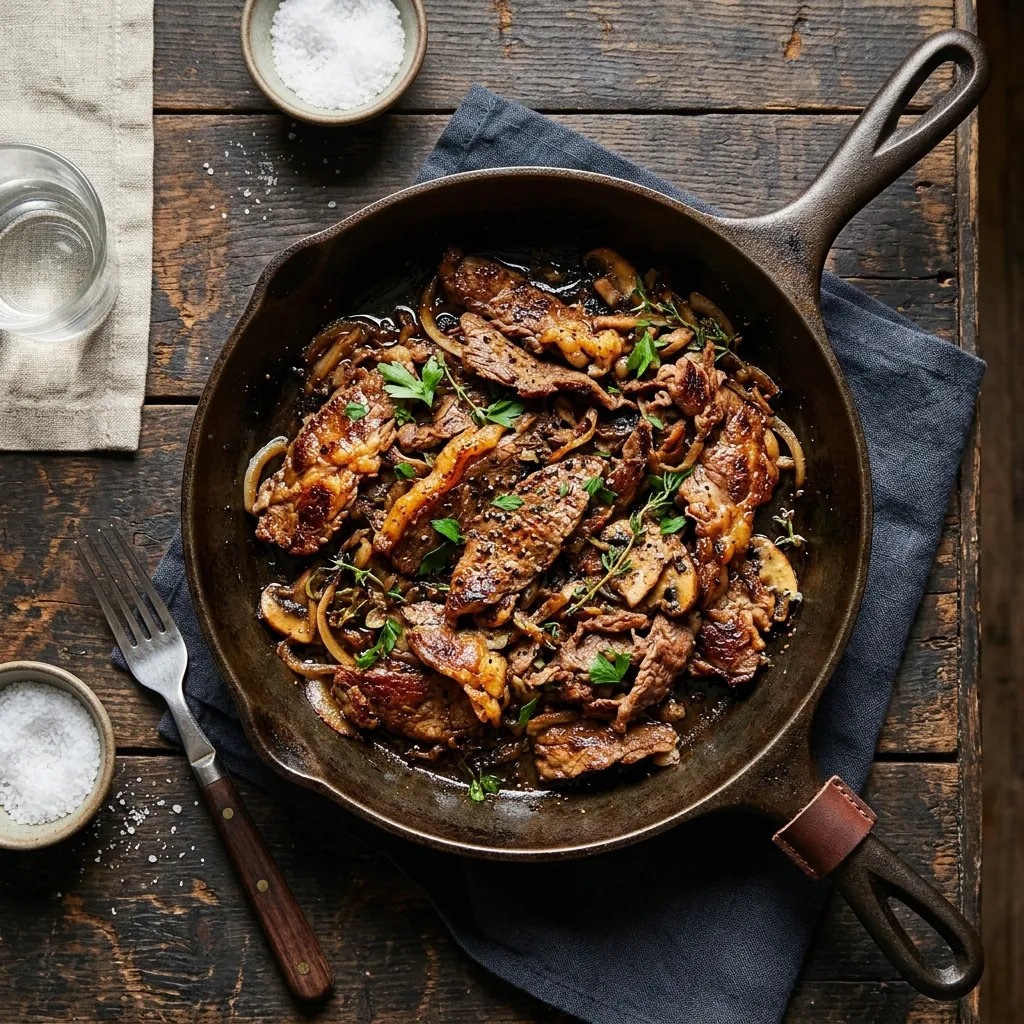
For the exact ingredient list, cooking times, and step-by-step instructions to keep by the stove, use our companion recipe card: Chicken of the Woods Recipe. If you want to adapt this high-heat searing technique for beef, check out our guide on shaved steak skillet cooking.
Gear that helps
Gear that helps
- Lodge 12-Inch Cast Iron Skillet — $30. The only pan that holds enough heat to properly sear these mushrooms without dropping temperature.
- Diamond Crystal Kosher Salt (3 lb box) — $5. The standard salt for all testing because of its flake size and control.
- Oxo Good Grips Pastry Brush — $10. Essential for cleaning dirt and debris out of mushroom pores without water.
Frequently Asked Questions
Can you eat chicken of the woods raw?
No, you cannot eat this mushroom raw. Raw or undercooked Chicken of the Woods contains toxins that cause severe stomach upset, nausea, and vomiting. Cook the mushrooms for at least 15 minutes to break down these compounds and make them safe to digest.
How do you store fresh chicken of the woods?
Store fresh mushrooms in a brown paper bag in the refrigerator for up to 7 days. Do not store them in a plastic bag, as this traps moisture and causes them to rot. For long-term storage, slice, dry-sauté, and freeze them in airtight bags for up to 6 months.
Why did my chicken of the woods turn out bitter?
Bitter taste is usually caused by harvesting older specimens or cooking the woody center. As the mushroom ages, it turns dry, crumbly, and bitter. Only harvest young, bright orange specimens, and make sure to trim off the tough inner core before cooking.
Does chicken of the woods grow back every year?
Yes, the fungus is perennial and will often grow back on the same dead tree or log for several years until the wood is completely decayed. Mark the location of your harvest and check it during late summer and autumn for new growth.
Do I need to parboil the mushroom before frying?
Parboiling is not recommended because it waterlogs the mushroom and ruins the texture. The dry-sauté and steam method in this recipe is more effective because it uses the mushroom's own cellular moisture to cook the interior before searing, preserving the meaty texture.