Chipotle Steak Recipe: The Cast Iron Marinade Method
Chipotle steak needs high heat and a short marinade to build a flavorful crust. Here is how to sear it in a cast iron skillet without losing the juices.
The chipotle marinade ratio
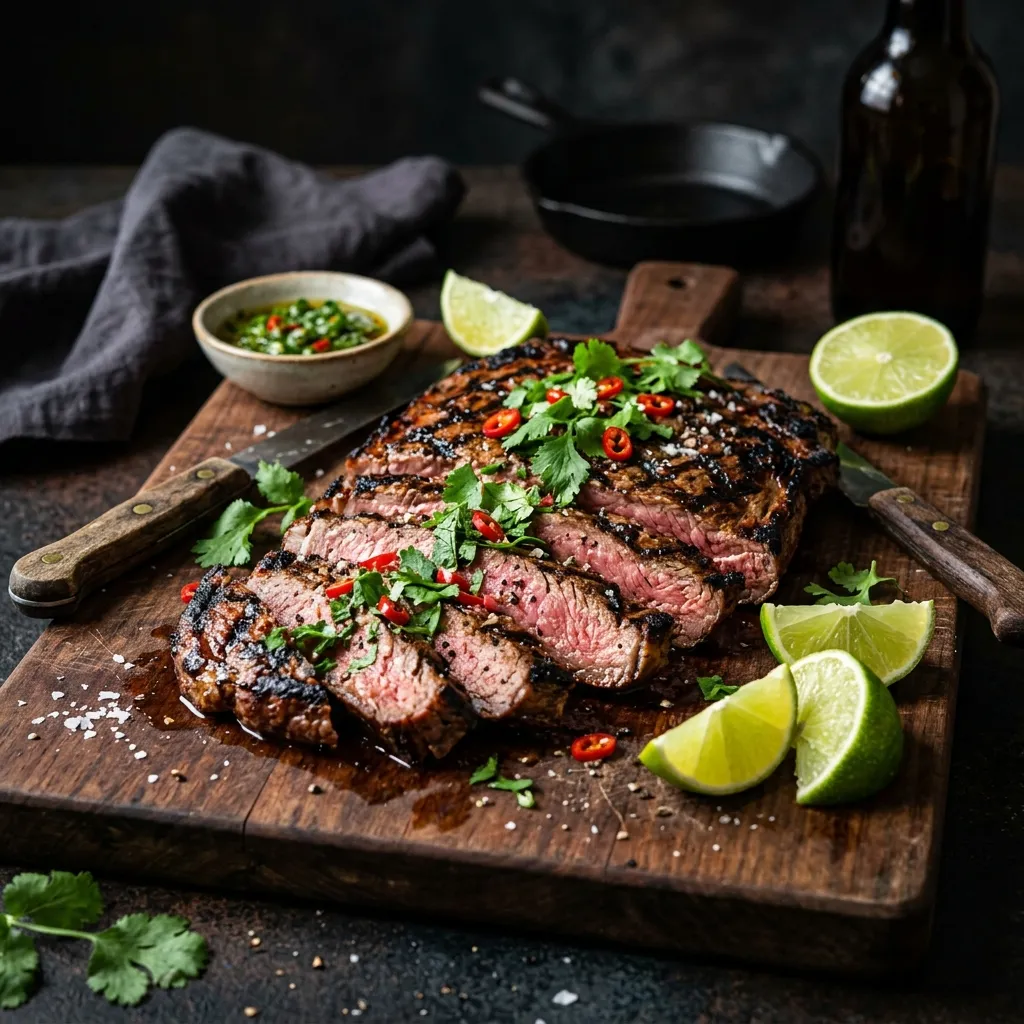
This chipotle steak recipe is built on three variables: a high-heat cast iron sear, a balanced adobo marinade, and a strict resting period. The foundation is the marinade ratio. Use 2 chipotle peppers in adobo, 2 tablespoons of adobo sauce, 3 minced garlic cloves, 1/2 teaspoon of ground cumin, 1 teaspoon of dried oregano, 2 tablespoons of fresh lime juice, 1 tablespoon of neutral oil, 1 teaspoon of kosher salt, and 1/2 teaspoon of black pepper for 1.5 lbs of steak. Whisk these together, coat the meat, and let it sit in the refrigerator for 2 to 4 hours.
Do not let it marinate overnight. Lime juice contains citric acid which breaks down muscle fibers. If you leave a flank steak in this acid for more than 12 hours, the texture turns mushy and loses its bite. Keep it under 4 hours for the best balance of surface flavor and texture.
Always use Diamond Crystal kosher salt. Table salt measures differently by volume. A tablespoon of Diamond Crystal kosher salt equals roughly 1.5 teaspoons of table salt. If you use table salt at a 1:1 ratio, you will double the salt content and ruin the meal. For more on salt measurements, see our chicken brine guide.
Choosing flank vs skirt steak
Flank steak and skirt steak are the two primary cuts for high-heat marinating. Flank steak is thicker, wider, and leaner. It slices into neat, clean strips against the grain, making it ideal for tacos or eating as a main course. Skirt steak has more fat and a looser grain structure. It holds onto marinade well but can be chewier if not sliced thin.
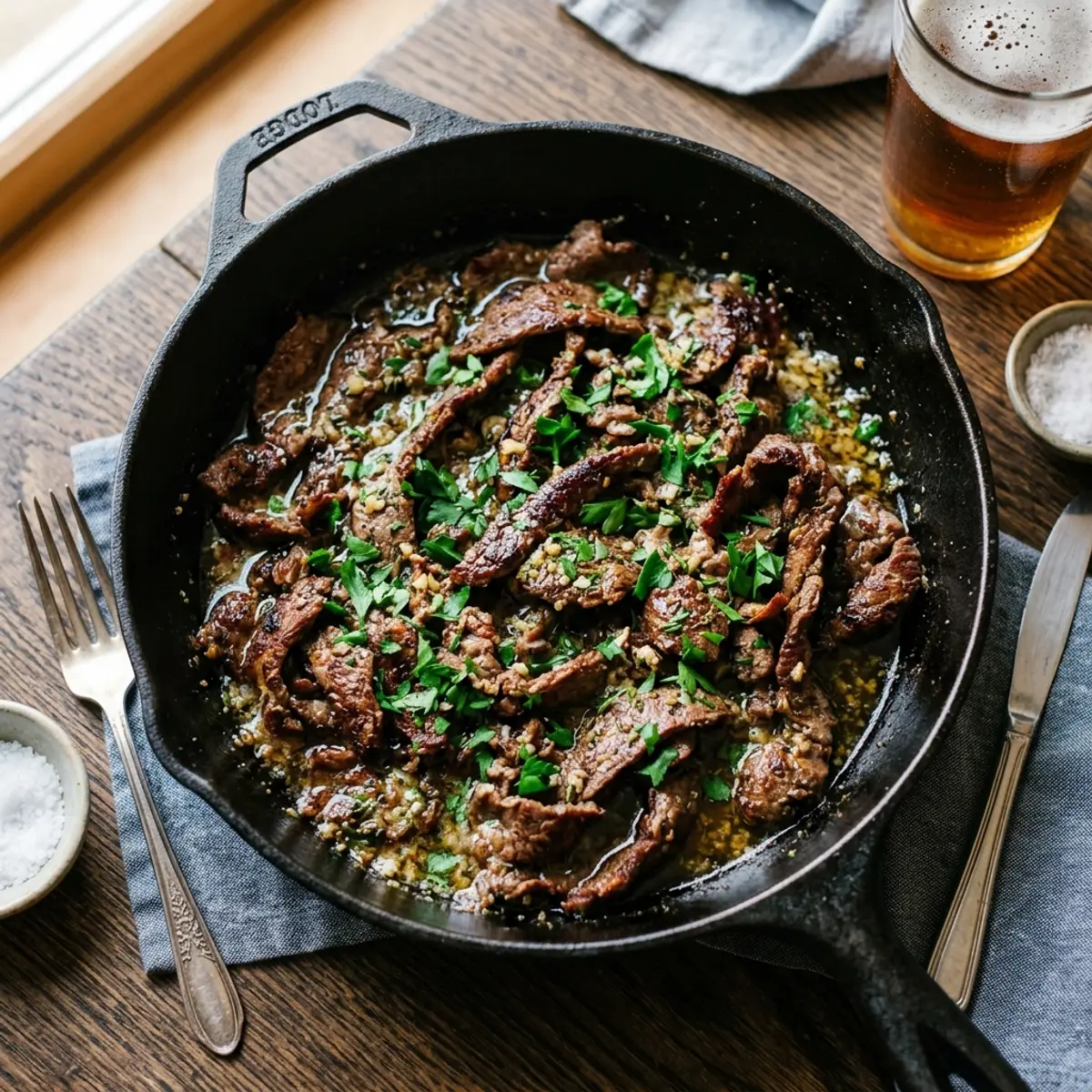
Expect to pay $8-$12 per pound for flank steak at most grocery stores. Skirt steak runs slightly higher but is comparable. If you want a cheaper alternative, you can adapt this method for shaved beef, as shown in our shaved beef recipe.
Avoid thick-cut steaks like ribeyes or strips for this marinade. A thick steak has too much fat and mass to benefit from a quick surface marinade. Save the thick cuts for the tomahawk steak recipe, where direct high heat and reverse searing are more appropriate.
The cast iron sear: high heat is required
To get a dark, caramelized crust on a marinated steak, you need extreme heat. Cast iron is the only tool for this job because it holds heat better than any thin pan. Preheat your skillet on high for 5 minutes before adding the oil. If the pan is not smoking slightly, it is not ready.
My first tomahawk steak was cooked on a cheap, thin stainless steel pan from a discount store. The steak did not sear — it steamed, resulting in $70 worth of grey, sad meat. The next day I bought a cast iron skillet for $30 and have not used anything else for searing since.
Before the steak hits the pan, shake off any dripping marinade. Excess moisture in the skillet drops the temperature and turns a sear into a steam. This is the difference between a steak with charred, crispy edges and grey, boiled beef. If you want to learn more about searing physics, read the reverse sear guide.
Sourcing and food safety
When buying steak, look for pieces with uniform thickness. A flank steak that is thick on one end and paper-thin on the other will cook unevenly. If you have uneven pieces, slice them into uniform portions before cooking so you can pull the thin sections off the heat early.
For food safety, follow the USDA guidelines on beef preparation. Keep the marinating meat at 40°F (4°C) or below in the refrigerator. Never marinate on the counter. While USDA recommends cooking whole cuts of beef to an internal temperature of 145°F (63°C), pulling flank steak at 130°F (54°C) for medium-rare yields the most tender texture.
For a detailed walkthrough of pan-searing techniques, the Serious Eats steak searing guide offers excellent science-backed tips on crust formation and temperature control.
The resting rule: why it is not optional
Resting meat is not optional. Cutting into a steak immediately after cooking loses 20-30% of its juices to the cutting board. Resting for 8-10 minutes lets the proteins relax and reabsorb that liquid. This is the difference between a juicy steak and a steak sitting in a puddle.
Set a timer for 8-10 minutes the moment the steak leaves the pan. Do not tent it tightly with foil — this traps steam and softens the caramelized crust you just built. Simply place it on a warm plate or cutting board and leave it alone.
Once rested, slice the steak thin against the grain. If you slice with the grain, you will be chewing on tough, stringy fibers. Slicing at a 45-degree angle increases the surface area of each slice and makes it feel even more tender.
What to make with chipotle steak
This steak is highly versatile. Slice it thin for tacos, serve it over rice bowls with avocado, or make it the centerpiece of a salad. It also serves as an excellent upgrade for a steak quesadilla recipe.
For the exact ingredient list and step-by-step instructions to keep by the stove, use our companion recipe card: Chipotle Steak Recipe. If you prefer a faster skillet steak option that requires no marinating, check the shaved steak guide.
If you have leftovers, store them in an airtight container for up to 3 days. Reheat them quickly in a hot pan rather than the microwave to avoid overcooking the beef.
A quick note on who this is for
If you want a private chef to design a twelve-course tasting menu or curate wine pairings for a corporate gala, do not hire me. I cook meals for a family table. My focus is on practical, high-heat techniques that get dinner done in 25 minutes. If you want chef coats and tweezers, look elsewhere.